May 5, 2026
Understanding the health of your mouth is the first step toward maintaining a beautiful smile for a lifetime. While most people are familiar with the term "tooth decay," few truly understand the complex biological processes that occur beneath the surface of their enamel. Tooth decay isn't simply a hole that appears overnight; it's a progressive disease that results from a persistent chemical battle between the bacteria in your mouth and the protective minerals of your teeth. When you visit a local dentist, the primary goal is often to identify these issues before they become painful or permanent. By educating yourself on the mechanisms of decay, you can take control of your oral health and ensure that your natural teeth remain strong and functional well into your senior years.
Understanding the Underlying Causes of Decay
The journey toward a cavity begins with the formation of dental plaque, which is a sticky, colorless film of bacteria that constantly coats the surfaces of your teeth. This plaque thrives on the carbohydrates found in your daily diet, particularly refined sugars and processed starches. Every time you consume a sugary snack or a soda, the bacteria in the plaque produce an acid attack that lasts for about twenty minutes. If you snack frequently throughout the day, your teeth are essentially under a constant state of chemical warfare. This persistent acidity is what eventually overcomes the strength of your enamel, leading to the breakdown of the tooth's physical structure.
It's also important to recognize that tooth decay is an incredibly common health challenge across the entire population. In fact, research highlights just how widespread this issue has become in modern society. According to the National Institute of Dental and Craniofacial Research, among the adult population aged 20 to 64, tooth decay has affected approximately 90% of people. This statistic illustrates that almost everyone will face some form of dental decay during their lifetime, making the role of a professional dentist essential for long-term health. Factors like dry mouth, certain medications, and even genetics can influence how susceptible you are to these acid attacks, but the primary driver remains the interaction between plaque and the foods you choose to eat.
Identifying the Early Stages of Enamel Erosion
The first stage of tooth decay is often invisible to the naked eye, occurring at a microscopic level within the enamel. This phase is known as demineralization, where the minerals that provide the tooth its hardness begin to dissolve. You might notice a small white spot on the surface of a tooth, which is a sign that the area is losing calcium. At this point, the process is actually reversible. Because the surface hasn't broken yet, minerals from your saliva and fluoride from your toothpaste can migrate back into the enamel to strengthen it. This is why regular checkups are so vital; catching a problem during this initial phase allows your dentist to provide treatments that stop a cavity from ever forming.
If demineralization continues unchecked, the enamel eventually gives way, and a physical hole or "cavity" forms. Once the decay has broken through the enamel, it reaches the second layer of the tooth, known as the dentin. The dentin is much softer than enamel and contains tiny tubes that lead directly to the nerves of the tooth. When decay hits this stage, you might start to feel sensitivity to cold drinks or sweet foods. Because dentin is less resistant to acid than enamel, the decay tends to spread much faster once it reaches this layer. Without professional intervention to clean out the bacteria and seal the area with a filling, the damage will continue to move deeper into the tooth's core.
Recognizing the Advanced Stages of Infection
When tooth decay is left untreated, it eventually migrates from the dentin into the pulp, which is the soft center of the tooth containing blood vessels and nerves. This stage is often where patients experience significant pain or a persistent toothache. When the pulp becomes infected, it can lead to inflammation and the death of the living tissue inside the tooth. At this point, a simple filling is no longer enough to save the tooth, and more complex procedures are required to remove the infection. A dentist must carefully evaluate the extent of the damage to determine if the tooth can be saved or if the infection has progressed too far to manage with conservative methods.
The final and most serious stage of tooth decay is the formation of an abscess. This occurs when the infection spreads past the root of the tooth and into the surrounding bone and gum tissue. An abscess is a pocket of infection that can cause severe swelling, fever, and a bitter taste in the mouth. This is considered a dental emergency because the infection can potentially spread to other parts of the body if it isn't treated immediately. The goal of any modern dental practice is to prevent patients from ever reaching this painful and dangerous stage by emphasizing the importance of early detection and routine maintenance throughout the year.
Implementing Effective Methods for Prevention
Preventing tooth decay is far more comfortable and cost-effective than treating it once it has advanced. The most fundamental step is maintaining a rigorous oral hygiene routine at home that includes brushing twice a day with fluoride toothpaste and flossing daily. Flossing is particularly important because it removes plaque from the tight spaces between teeth where a toothbrush can't reach. Additionally, your diet plays a massive role in your oral health. Reducing the frequency of sugary snacks and choosing water over acidic or sweetened beverages can significantly lower the amount of acid your teeth have to endure on a daily basis.
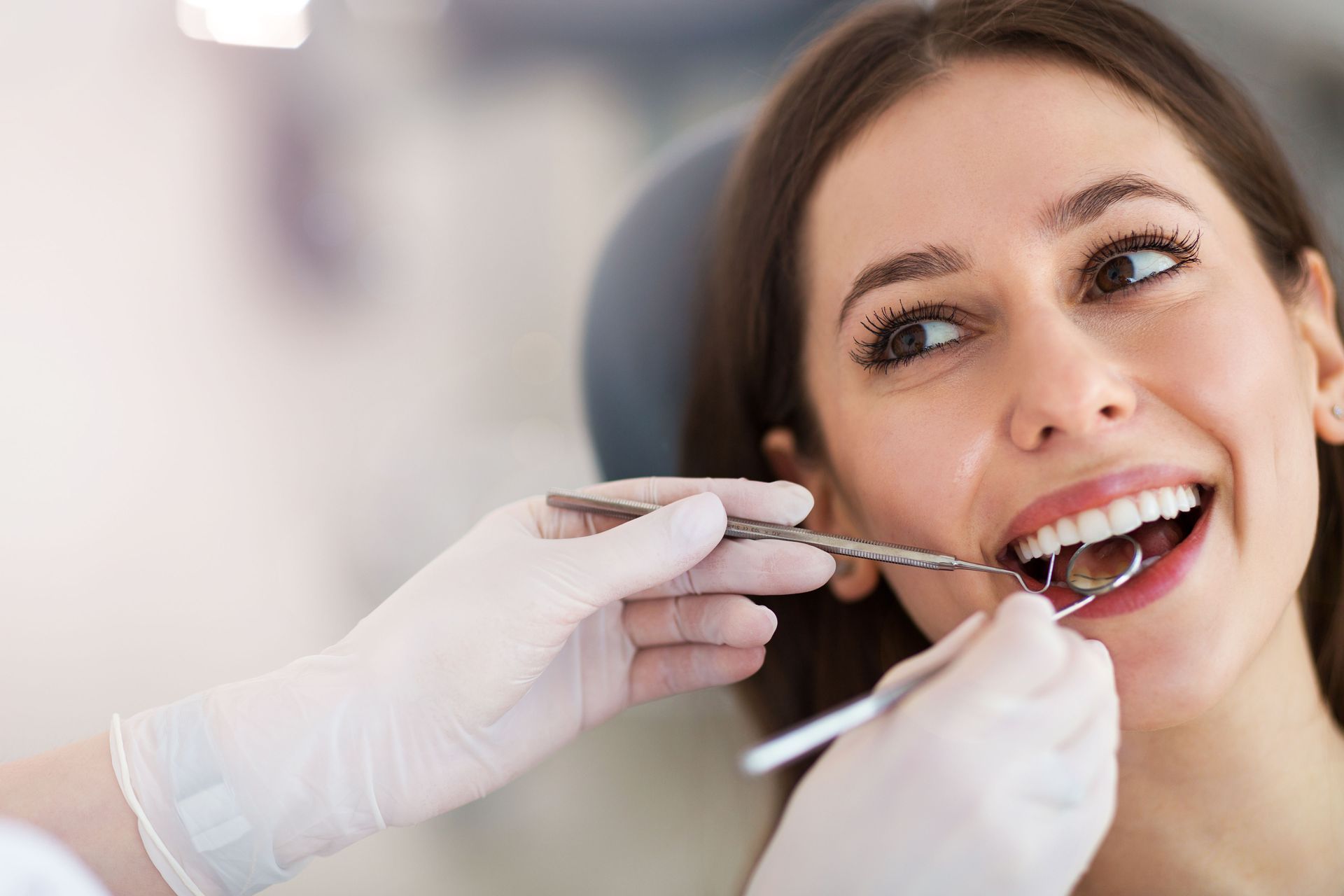
Beyond home care, professional cleanings and examinations are the pillars of a healthy smile. During these visits, specialized tools are used to remove hardened plaque, known as tartar, which can't be brushed away at home. Furthermore, your dentist might recommend preventive treatments like dental sealants or professional-grade fluoride applications to provide an extra layer of defense against decay. Sealants are especially effective for the deep grooves of the back molars, acting as a physical barrier that keeps food and bacteria out. By combining diligent home habits with regular professional oversight, you can drastically reduce your risk of becoming part of the statistics regarding adult tooth decay.
While tooth decay is a common and progressive disease, it's also highly manageable when you understand the stages and causes. From the initial demineralization of the enamel to the more serious stages of pulp infection and abscess, decay follows a predictable path that can be interrupted at almost any point. The key is to act quickly when you notice sensitivity or changes in your teeth and to never skip your routine preventive appointments.
Living with a healthy mouth improves your overall quality of life, allowing you to eat, speak, and smile with total confidence. You don't have to wait for pain to occur before you take an interest in the well-being of your teeth. By understanding that decay is a chemical process fueled by plaque and sugar, you can make better decisions every time you sit down for a meal or reach for a snack. Remember that your teeth are meant to last a lifetime, and with the right care and professional guidance, they certainly can. If you're ready to prioritize your oral health and prevent the progression of decay, contact True Dental today to schedule your next appointment.